
The AIgorythm project

Playwright and actor
Novelist

Writer and poet

Volleyball player
Italian-Peruvian naturalist and geographer
Singer and percussionist
Last Inca emperor
Politician, former prime Minister
Journalist and TV host
Poet
Inca warrior
Actor and comedian
Biophysicist
Poet
Doctor and researcher

Businessman, Interbank group
Journalist and writer
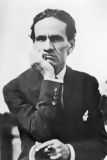
Poet and writer

Singer and songwriter
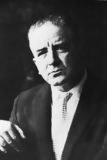
Writer
Film director, Berlin Golden Bear winner

Football player
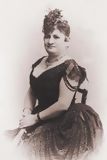
Writer and journalist
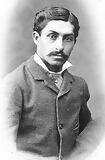
Doctor and scientist

Photograph
Chess player
Industrialist
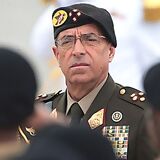
Former general
Specialist in public health
Actress and singer

Afro-Peruvian music singer
Mathematician and engineer
Indigenous chronicler
Neurologist and anthropologist
Painter
Football player
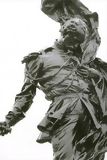
National hero, military leader
Intellectual and reformer

Chef and entrepreneur

Fashion designer

Singer-songwriter
TV presenter
Marathon runner
Indigenous Peruvian chronicler
Theologian
Former national team captain
Economist and former health minister
Inca princess
Writer and television host
Folk musician
Poet and guerrilla
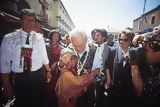
Former UN secretary-general
Chef, known for fusion cuisine
Football player
Peruvian aviation pioneer
Poet and artist
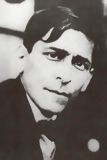
Marxist philosopher and writer
Industrialist and businessman
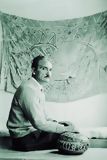
Novelist and ethnologist
Painter and muralist
Opera tenor
Fashion designer
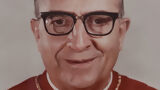
Cardinal of Lima
Peruvian tennis player
Football coach
Leader of the indigenous rebellion
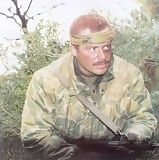
Military hero

Latin singer
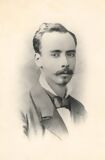
War of the Pacific hero
The youngest mother in history
Politician
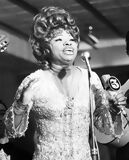
Creole music singer
Tennis player

Musician
Writer and politician
Politician and founder of the Christian Democratic Party
Founder of Sodalitium Christianae Vitae
Archaeologist and anthropologist
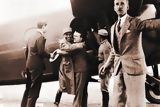
Military leader and politician
Television host

Actress and singer

Contemporary sculptor

Women’s rights activist

Beauty queen
Astrophysicist
Heroine of independence
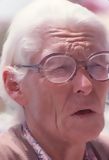
Mathematician and archaeologist
Historian and anthropologist
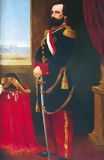
Military figure and historical figure
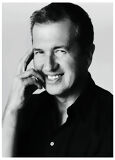
Fashion photographer
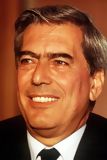
Writer, Nobel Prize in Literature, Politician
Revolutionary leader

Environmental activist
Leader of the indigenous rebellion

Musician from Gaia band
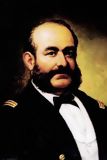
War hero
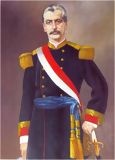
Military leader and politician
Chef, known for Nikkei cuisine
Volleyball coach and former player
Environmental activist
Television personality
Writer

Football player
Epidemiologist and former health Minister
Inventor and aerospace pioneer
Soldier and inventor

Rock singer
Chef and co-owner of Central restaurant
Painter
Football player
TV presenter and actress
Actor
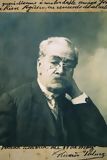
Writer and historian

Journalist and lawyer
Archaeologist, founder of Caral site
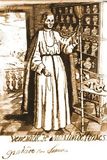
Monk and Saint
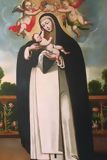
Saint, patron of Latin America
Physicist and engineer
World champion surfer
Actress
Oncologist

Singer, Latin Grammy winner
Former mayor of Lima

Singer
Actress
Former football player
Painter
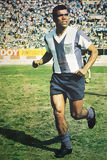
Former football player
Painter
Inca leader
Archbishop, saint
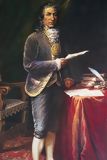
Leader of the indigenous rebellion
Revolutionary indigenous leader
Diplomat and intellectual
Sculptor and painter
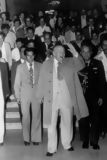
Political leader, founder of APRA
Lawyer and Former prime minister
Chef of Central restaurant

Former head of secret services
Popular singer

Fashion designer
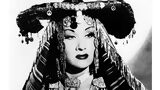
Exotic music singer
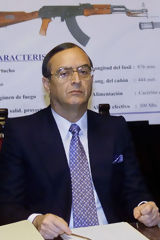
Vladimiro Montesinos was born on May 20, 1945, in Arequipa, Peru. He was one of the most influential and controversial figures in Peruvian politics during the 1980s and 1990s. Montesinos is primarily known for his role as head of the National Intelligence Service (SIN) during the government of Alberto Fujimori, where he established himself as the main advisor and political strategist of the president. His influence on the government was so significant that, although he did not hold a formal cabinet position, many important national decisions passed through his office.
Vladimiro Montesinos graduated in 1966 from the Chorrillos Military School as an officer in the Peruvian army. From an early age, he showed a great interest in security and intelligence matters. Throughout his military career, Montesinos received training in various U.S. military academies, which allowed him to establish connections with several foreign intelligence agencies. However, his military career was interrupted in 1976 when he was discharged for leaking confidential information to the U.S. government, marking the beginning of his trajectory in civilian and political spheres.
In the 1980s, Montesinos began working as a defense lawyer, especially in human rights cases. It was during this time that he met Alberto Fujimori, who ran for the Peruvian presidency in 1990. Montesinos quickly became one of Fujimori's key advisors during the presidential campaign, and once in power, he established himself as the main strategist behind the government. His management of intelligence and his ability to organize media and political campaigns made him the most powerful man behind Fujimori.
Montesinos was named the de facto head of the National Intelligence Service (SIN) in 1990, from where he coordinated all government intelligence operations. During his time at SIN, Montesinos consolidated his power, using intelligence services to control political opponents, journalists, judges, and businessmen. Through a network of bribes and extortions, Montesinos maintained control over the state apparatus and protected Fujimori from any political threats. His influence over the Armed Forces and the police made him one of the most feared and respected figures in the country.
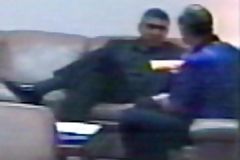
The fall of Montesinos and Fujimori's government began in September 2000 when a video surfaced showing Montesinos bribing a congressman to support the government. These videos, known as the "Vladivideos," revealed the extent of corruption in the Fujimori regime. From that moment on, Fujimori's popularity plummeted, and Montesinos fled the country. International arrest warrants were issued, and he was finally captured in Venezuela in June 2001. His capture marked the end of an era of corruption and control in Peru.
Vladimiro Montesinos was tried for a long list of crimes, including corruption, human rights violations, arms trafficking, and drug trafficking. He was sentenced to multiple prison terms, totaling more than 25 years. During the trials, the extent of the corruption network he had created was revealed, along with his responsibility for numerous crimes committed during the Fujimori regime. Montesinos continues to serve his sentence in a high-security prison in Peru.
Vladimiro Montesinos' legacy is one of the darkest in Peru's recent history. His ability to manipulate state institutions and control the country's intelligence apparatus left deep scars on Peruvian politics. The "Vladivideos" scandal and Fujimori's fall highlighted the levels of corruption that had existed for years under his leadership. Despite his imprisonment, the consequences of his actions are still felt in Peruvian politics and society, and his figure remains a symbol of the dangers of corruption and abuse of power.
Vladimiro Montesinos was a central figure during one of the most turbulent periods in Peru's recent history. His role as intelligence chief during Fujimori's government made him one of the most powerful and feared people in the country. However, his downfall, precipitated by corruption scandals and the "Vladivideos," marked a fundamental change in Peruvian politics. Although Montesinos continues to serve his sentence, his legacy of corruption and control remains a reminder of the dangers that any democracy faces.
