
The AIgorythm project

Playwright and actor

Novelist
Italian-Peruvian naturalist and geographer
Singer and percussionist
Last Inca emperor

Politician, former prime Minister
Journalist and TV host
Poet
Inca warrior
Biophysicist
Doctor and researcher
Singer and songwriter
Film director, Berlin Golden Bear winner

Football player
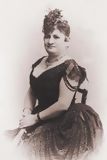
Writer and journalist
Chess player
Industrialist

Former general
Specialist in public health
Mathematician and engineer
Neurologist and anthropologist
Painter
Football player
National hero, military leader

Fashion designer

Singer-songwriter
Marathon runner
Indigenous Peruvian chronicler
Writer and television host
Folk musician
Poet and guerrilla
Chef, known for fusion cuisine
Poet and artist
Peruvian tennis player
Football coach
Leader of the indigenous rebellion
Military hero

Latin singer
War of the Pacific hero
The youngest mother in history
Politician
Creole music singer
Tennis player

Musician
Politician and founder of the Christian Democratic Party
Founder of Sodalitium Christianae Vitae
Archaeologist and anthropologist
Television host

Actress and singer
Contemporary sculptor
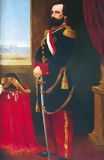
Military figure and historical figure

Fashion photographer

Writer, Nobel Prize in Literature, Politician
Revolutionary leader
Leader of the indigenous rebellion

Musician from Gaia band
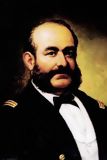
War hero
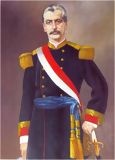
Military leader and politician
Chef, known for Nikkei cuisine
Television personality
Writer

Football player
Inventor and aerospace pioneer
Soldier and inventor
TV presenter and actress
Actor
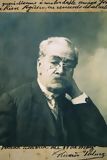
Writer and historian
Archaeologist, founder of Caral site
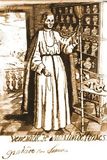
Monk and Saint
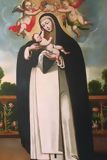
Saint, patron of Latin America
Oncologist

Singer, Latin Grammy winner

Singer
Actress
Painter
Inca leader
Archbishop, saint

Former head of secret services
Popular singer

Fashion designer
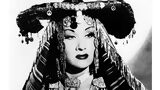
Exotic music singer
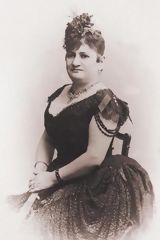
Clorinda Matto de Turner, born on September 11, 1852, in Cusco and passed away on October 25, 1909, in Buenos Aires, is one of the most important figures in 19th-century Peruvian and Latin American literature. A writer, journalist, and activist, she is best known for her socially engaged literary work, which denounces the injustices suffered by indigenous populations in Peru. Through her novels, journalistic articles, and essays, Matto de Turner played a crucial role in raising awareness of the living conditions of indigenous peoples and in promoting social and political reforms.
Born into a mestizo family in Cusco, Clorinda Matto de Turner grew up in an environment where Andean culture and Spanish traditions intertwined. From a young age, she developed a love for reading and writing, leading her to publish her first texts in local newspapers as a teenager.
In 1871, she married the English businessman Joseph Turner, but after his death in 1878, Matto de Turner devoted herself fully to writing and journalism. She directed several newspapers and magazines, where she advocated for progressive ideas on education, women's rights, and indigenous rights.
Clorinda Matto de Turner's work is deeply influenced by her commitment to the rights of indigenous Peruvians. In her writings, she sought to denounce the abuses and exploitation suffered by these populations, particularly at the hands of Spanish colonizers and local authorities. Her most famous work, the novel « Aves sin nido » (1889), highlights the social and economic injustices faced by indigenous people, focusing on the abuses of power committed by local priests and officials.
This novel, considered one of the first social novels in Latin American literature, had a significant impact at the time of its publication. It sparked widespread debate on the need for social and political reforms. However, it also drew criticism and attacks, particularly from the Catholic Church, which saw her work as a challenge to its authority and practices.
In addition to her literary work, Clorinda Matto de Turner was also a prolific journalist. She directed several publications, such as « El Recreo » and « El Perú Ilustrado », where she wrote on a wide range of topics, including politics, education, culture, and women's rights. She was a strong advocate for women's education, seeing it as a key tool for empowering women and granting them independence in a male-dominated society.
Through her journalism, Matto de Turner also championed greater inclusion of indigenous populations in Peruvian society. She called for educational and social reforms that would enable indigenous peoples to fully participate in national life while respecting their traditions and culture.
Due to her progressive views and open criticisms of religious and political authorities, Clorinda Matto de Turner often faced attacks. In 1895, following a conservative coup in Peru, her writings were deemed subversive, and she was forced to flee the country. She went into exile in Argentina, where she continued writing and working as a journalist, maintaining her commitment to defending the rights of indigenous people and women.
Despite the challenges of exile, Matto de Turner remained determined in her fight for social justice. In
